Cheap Learner Bike? Check the Tyre Date Stamp Before You Ride
A lot of learners buy an older bike to learn on. It makes sense. The Ninja 250 and 300 are the two I see most from learners. They're learner-approved, cheap to buy, cheap to insure and cheap to drop if you have to. I'm not here to talk you out of one.
But there's something I see again and again on the training ground, and it catches people out.
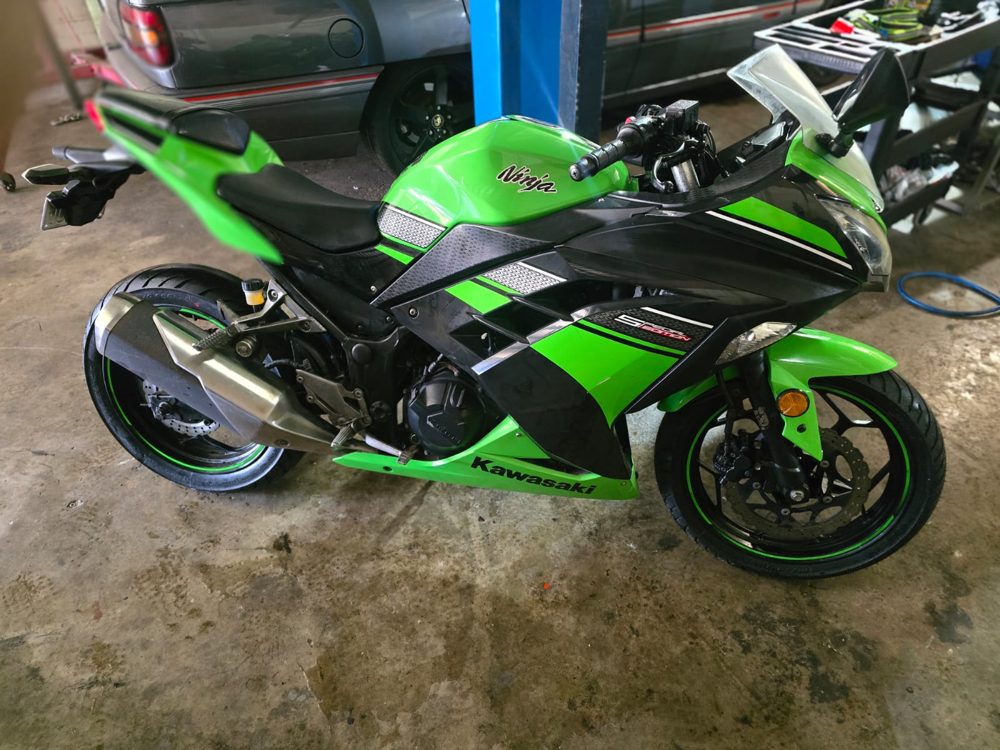
The bike with 10,000 km and 14 years on it
These bikes have usually changed hands several times. Each owner rode it a bit, got bored or upgraded, and sold it on. So the odometer says 10,000 km or so, the paint looks good and the tread looks fine.
What nobody did along the way was change the tyres.
I find out when we get to emergency braking. A student squeezes the brake hard, the bike doesn't stop like it should, and the tyre skids or slides. We check the sidewall together, and the tyres are 14 years old. Often they're the original factory tyres, fitted in 2012 and never changed.
Why old tyres are dangerous
Rubber ages whether it's ridden on or not. Over the years it hardens and dries out, and the compound that gives a tyre its grip stops doing its job. It can look fine and still have very little grip left.
You'll feel the difference in two places:
- Emergency braking. The tyre can't hold on when you need it most, so you lock up or slide at a much lower braking force than you'd expect.
- Wet weather. Hard, aged rubber is a lot worse on a wet road. A tyre that's fine on a dry day can let go on the first wet roundabout.
A new rider is the person least able to deal with a slide, and these are exactly the situations a learner meets.
How to check the date stamp (30 seconds)
- Look on the sidewall for a four-digit number, usually raised and sitting near other numbers or letters. The letters DOT aren't always next to it.
- If there's a longer string of numbers and letters, the date is the last four digits.
- The first two digits are the week it was made. The last two are the year.
For example, 2012 means week 20 of 2012. That's a tyre well over a decade old.
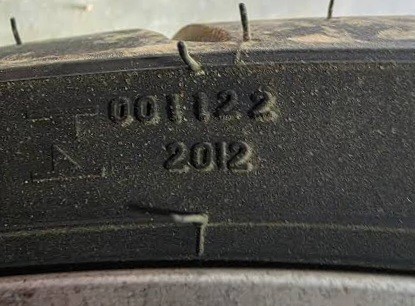
Check both tyres. They're often different ages.
How old is too old? Five years.
My rule is simple: once a tyre is five years from its date stamp, bin it. I teach emergency braking every day, and I see the difference between a newer tyre and an old one every time.
- Tyre makers publish a 10-year limit from the date stamp. That's the outer limit for a tyre in perfect storage, and in my experience it's far too generous for a bike that's been sitting in a shed or outside.
- Other rider training sources agree on around five years on the bike, even if the tread looks fine.
- Cracks in the sidewall or between the tread blocks, a hard shiny surface, or flat spots mean replace it, whatever the date says.
My advice for a learner buying a used bike: if the tyres are over five years old, bin them and put new ones in the budget from day one. Treat the price of new tyres as part of the purchase.
Before you buy a cheap learner bike
- Check the date stamp on both tyres before you hand over any money.
- If they're old, use it to negotiate the price, or walk away.
- Don't trust the tread depth or the odometer. Low kms often means the tyres sat for years.
- Get new tyres fitted and have the brakes and chain checked before your first ride.
Not Sure About Your Bike?
Bring it to your lesson and I'll check the tyres with you. I'll also tell you straight whether it's a good learner bike or whether you're better off with something else. It's a lot cheaper than finding out the hard way.